Self-portrait in Time
My project is a walk-in textile installation that explores memory, loss, and belonging. The foundation of the piece is wool, mostly sourced from Odesa: remnants of my grandmother’s, mother’s, und mine past projects, among other things threads from old garments I wore as a child. These materials tell a story that is not mine alone: they are fragments of a home that(yet) continues to exist in pieces.
Originally, the work was meant to be a physical translation of my diaries from 2007-2018. But instead of dis playing pages, I have transformed their essence into threads—layers of memory that offer protection while simultaneously revealing their own fragility. The installation will be suspended, inviting people to step inside, to immerse themselves in it. It is both a space and a cocoon—much like the place under the Christmas tree
where I used to lay with my cat, watching the world unfold.
This work moves between the personal and the political, between the tangible and the ephemeral. It asks questions about home, about what remains when places disappear—about the invisibility of history, woven into textures that persist.
And in the context of everything happening in the world, it feels inevitable: the instinct to bury one’s head in the sand (or in this case, the cocoon). A retreat, perhaps, but also a quiet act of resistance.
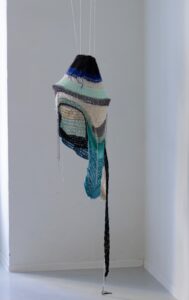
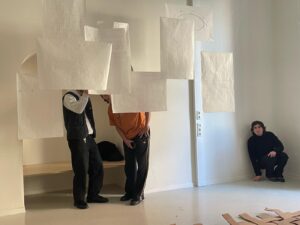
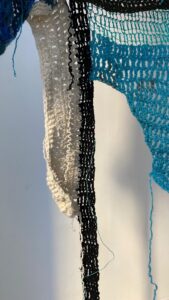
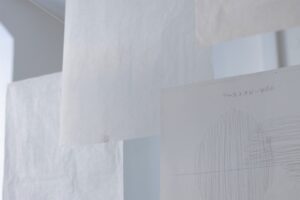
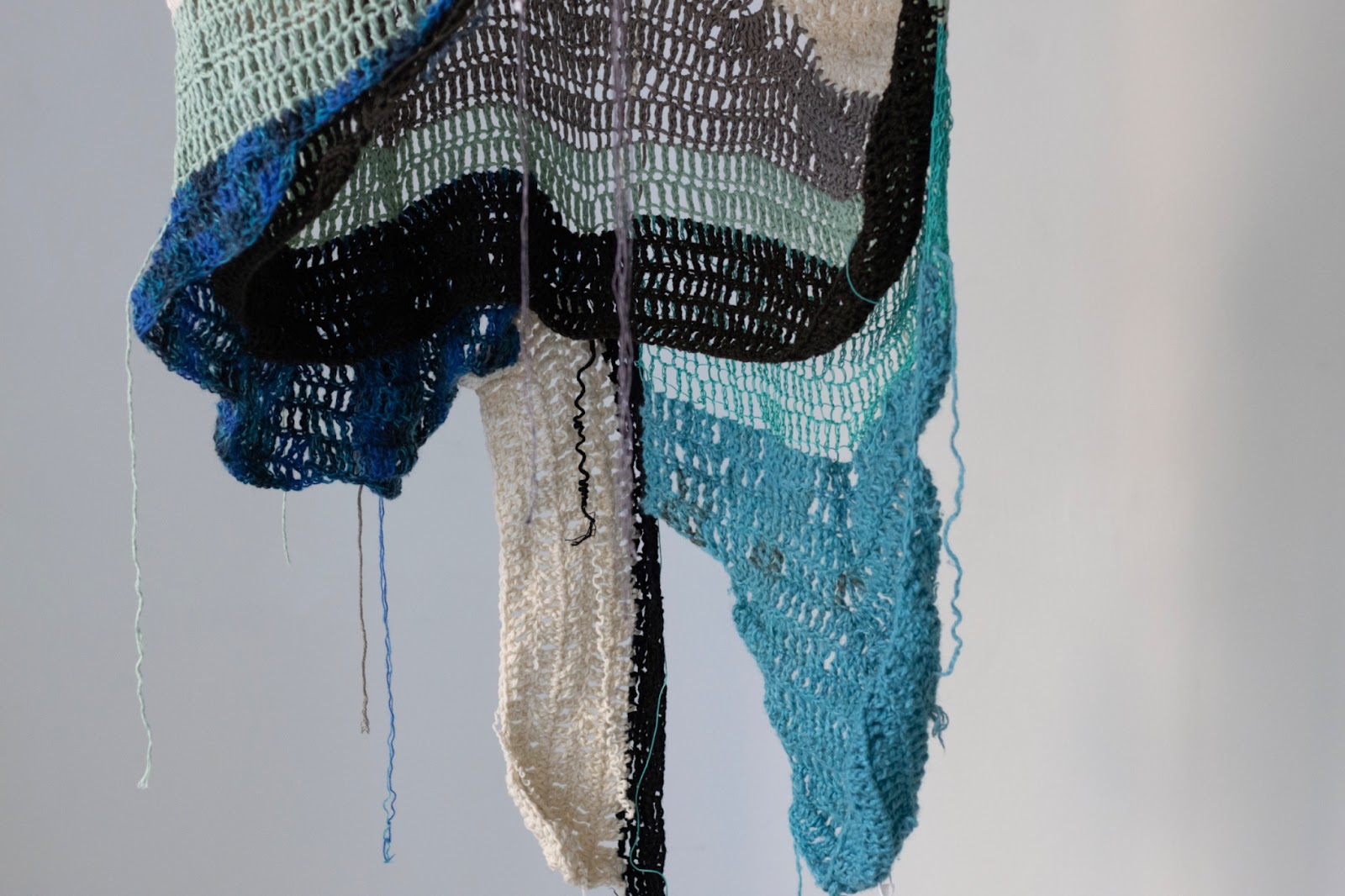
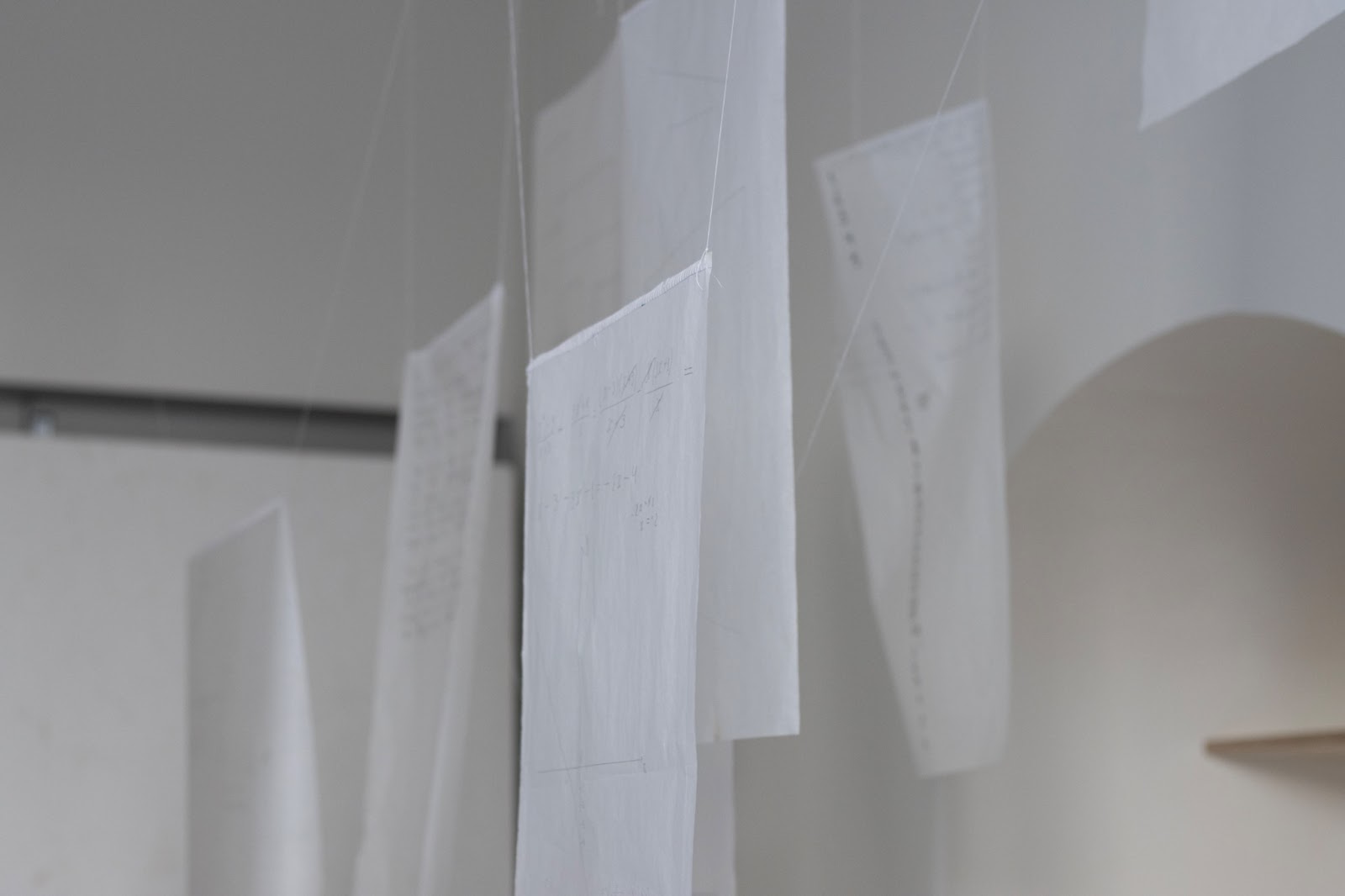
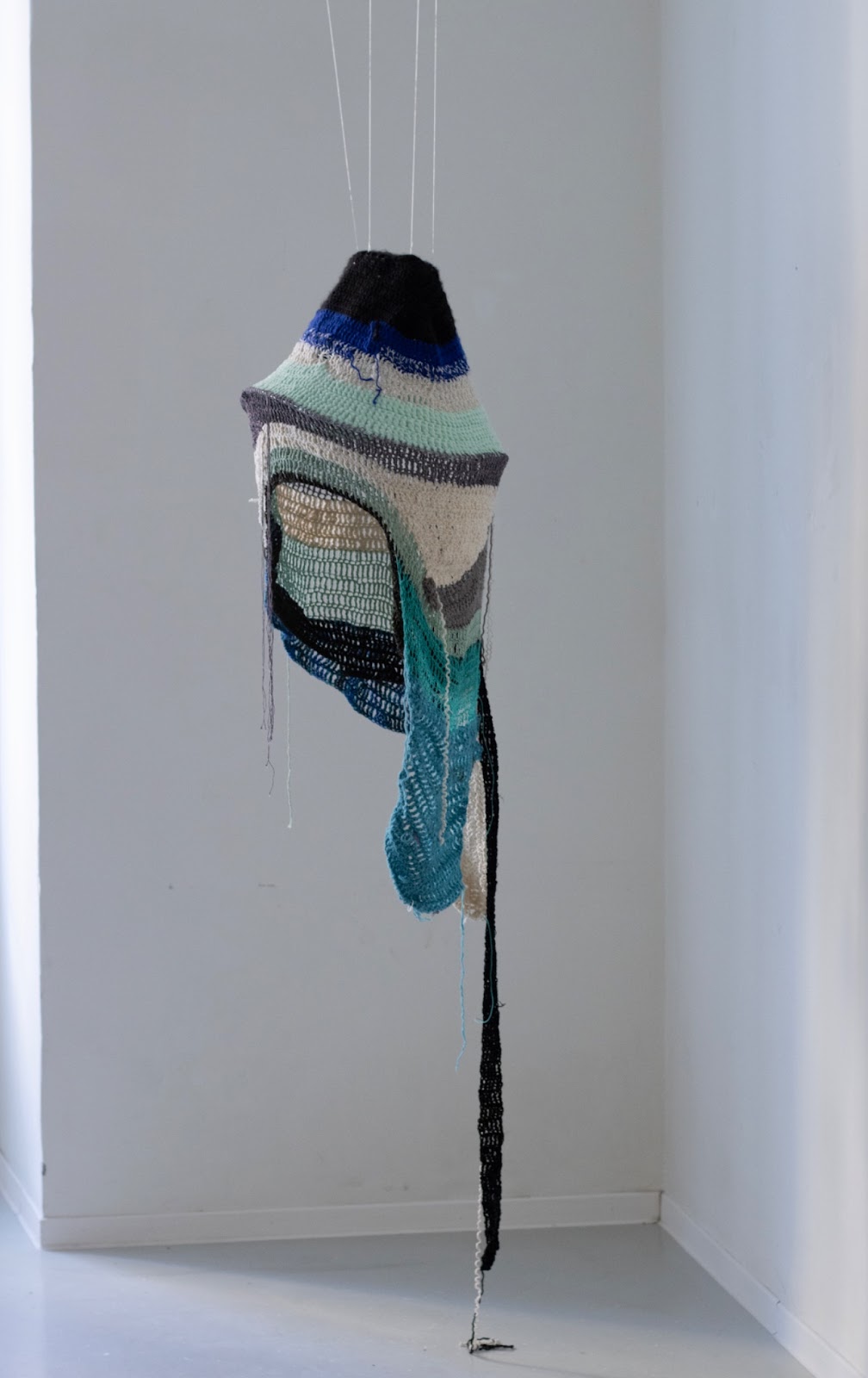
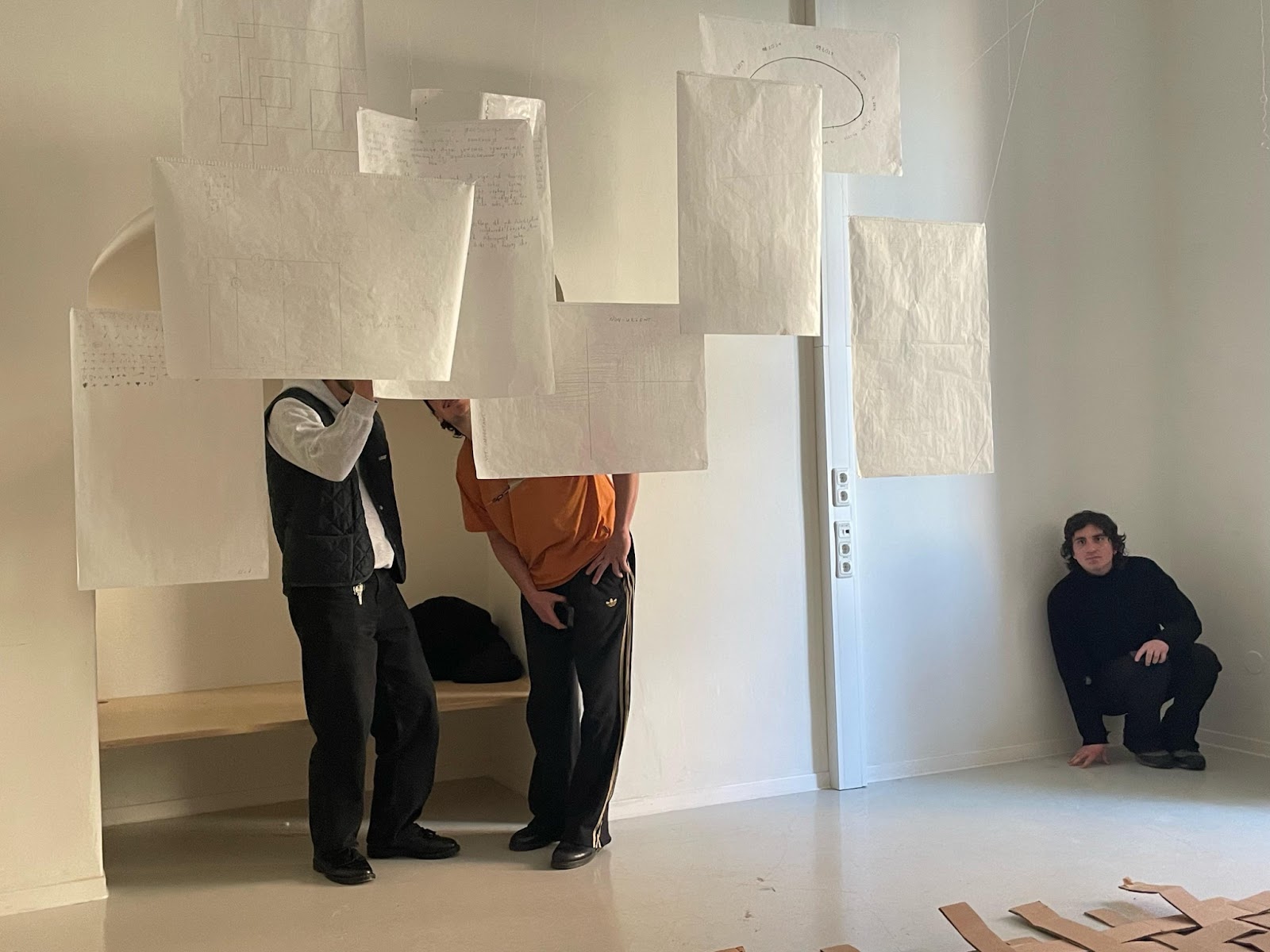
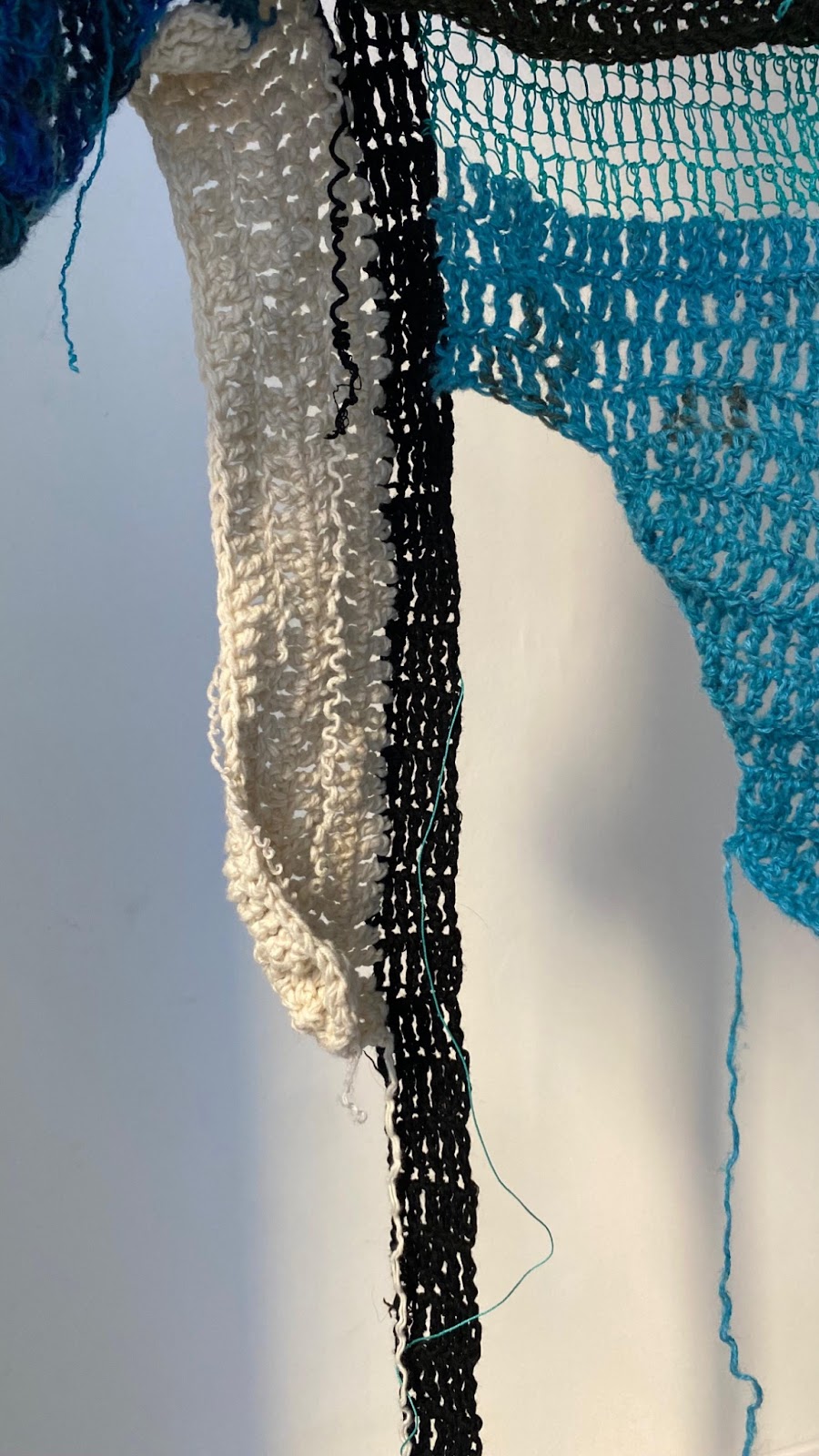
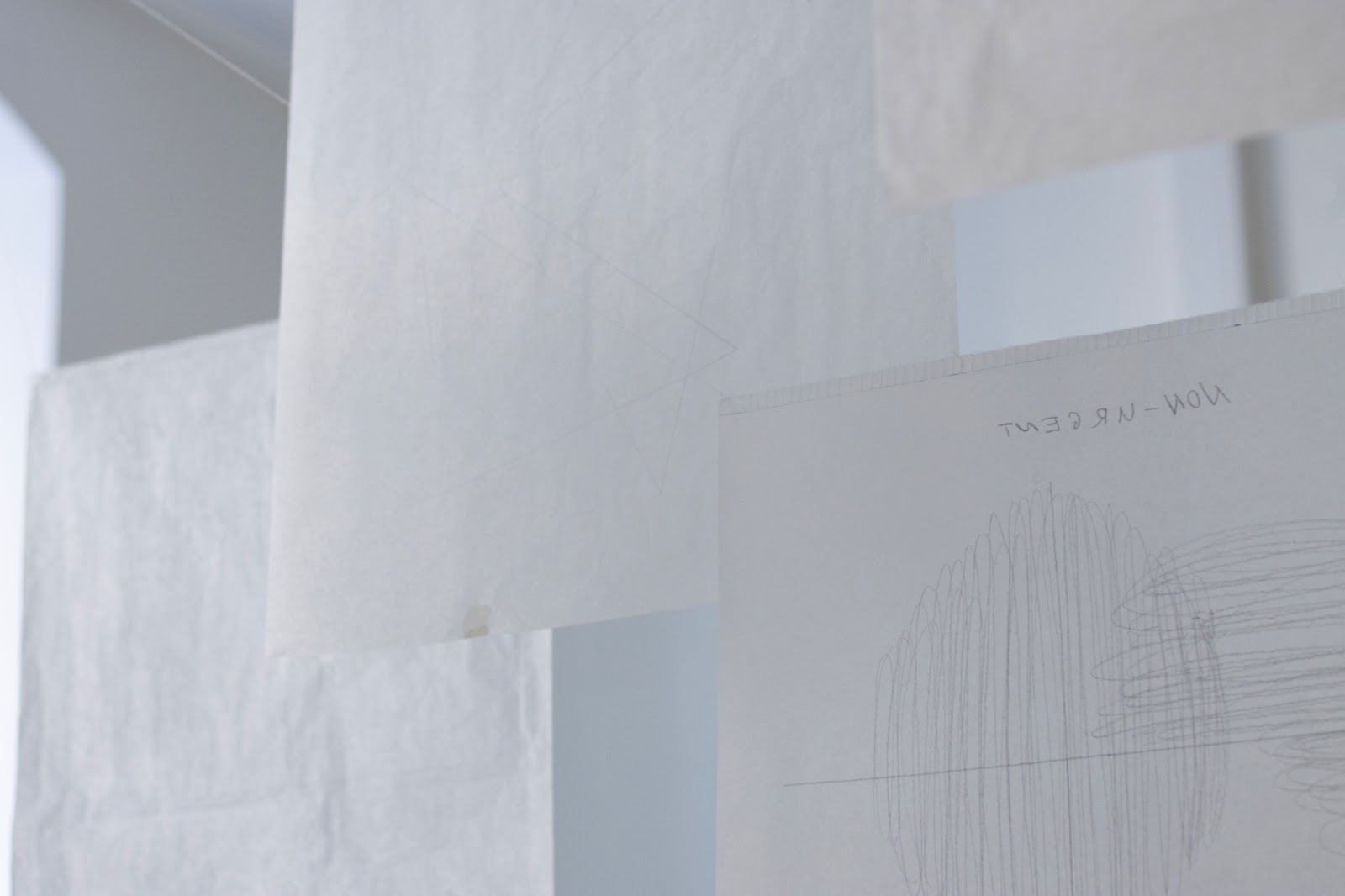
Yarn, crochet, hand sewing, tissue paper, handwritten texts, drawings, brass wire.
Dimensions:
Sculpture: 160 × 70 cm
Paper works: 9 sheets each 70 × 50 cm
2025
We are only human beings when we love so much – Part II
In February 2024, I returned to my hometown of Odesa after a three-year absence with my Instax camera and an album that my mother had given me. The work comprises a text that I wrote on the first day of my trip and the small album. It contains numerous photos that were taken during my ten-day stay and capture my impressions and emotions.
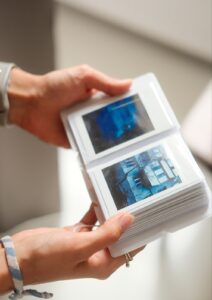

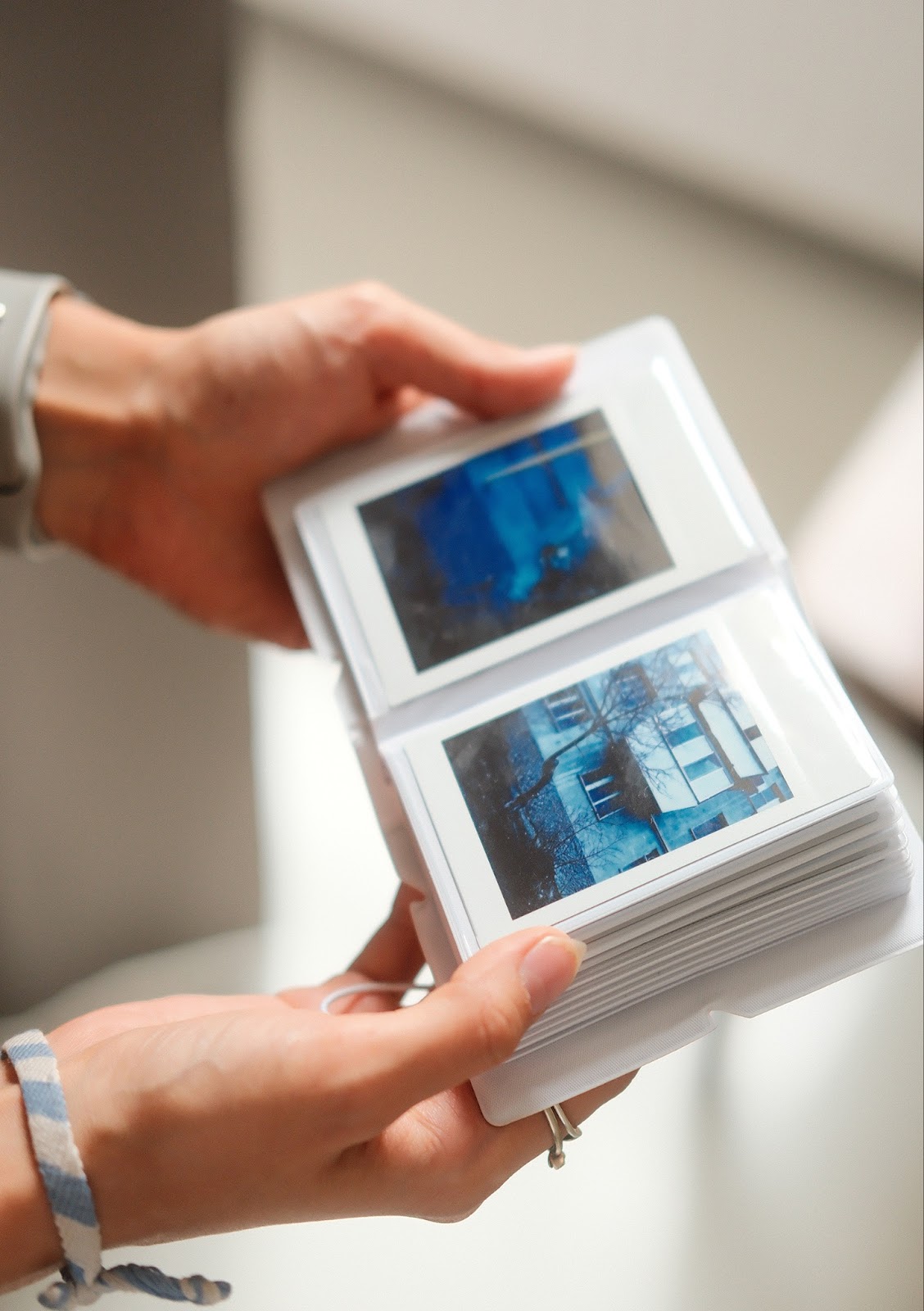

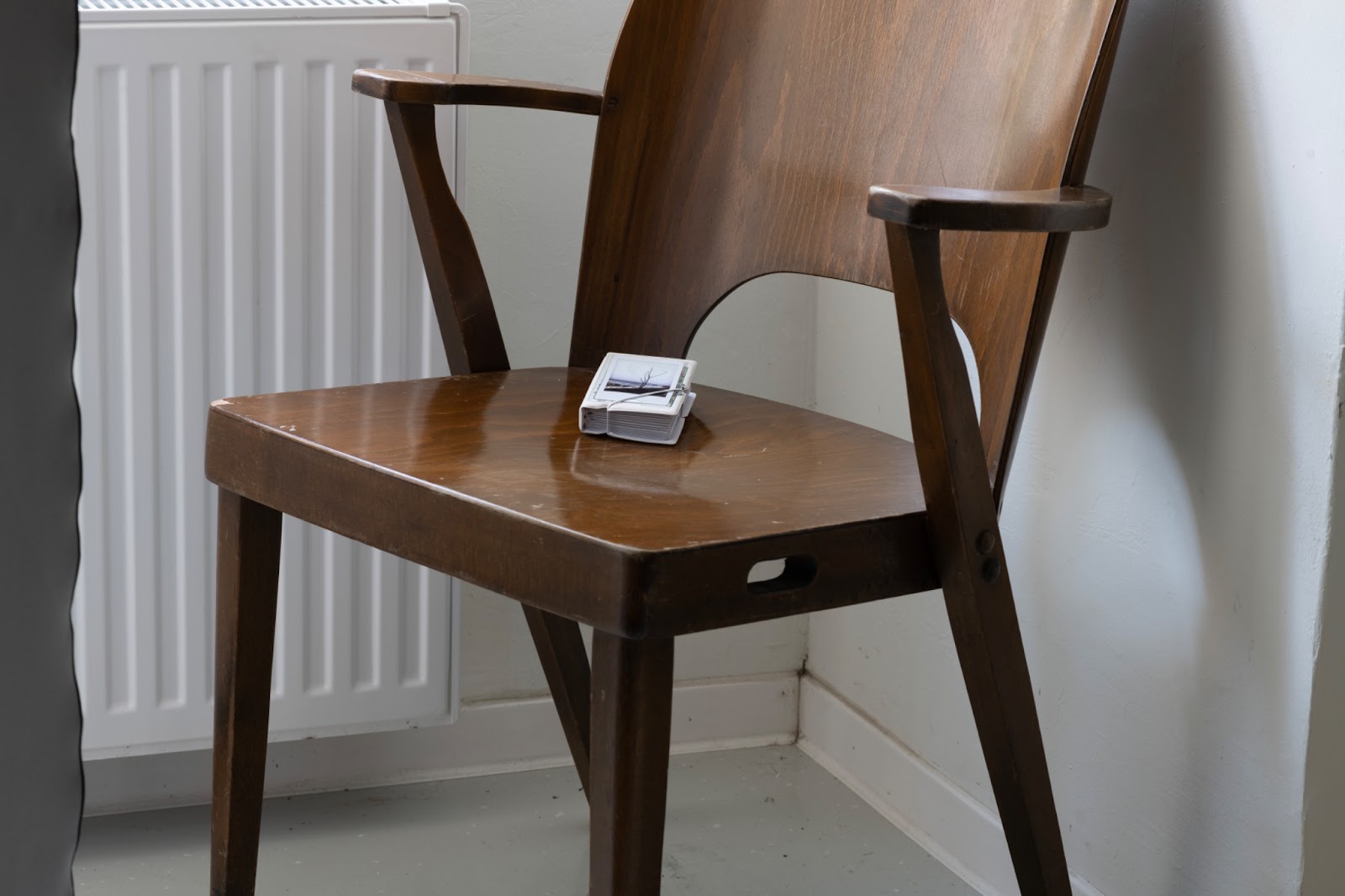
Instant photo album (height 10.5 * width 7 * depth 2.5cm), Instax Mini Film, laser print on cardboard
2024
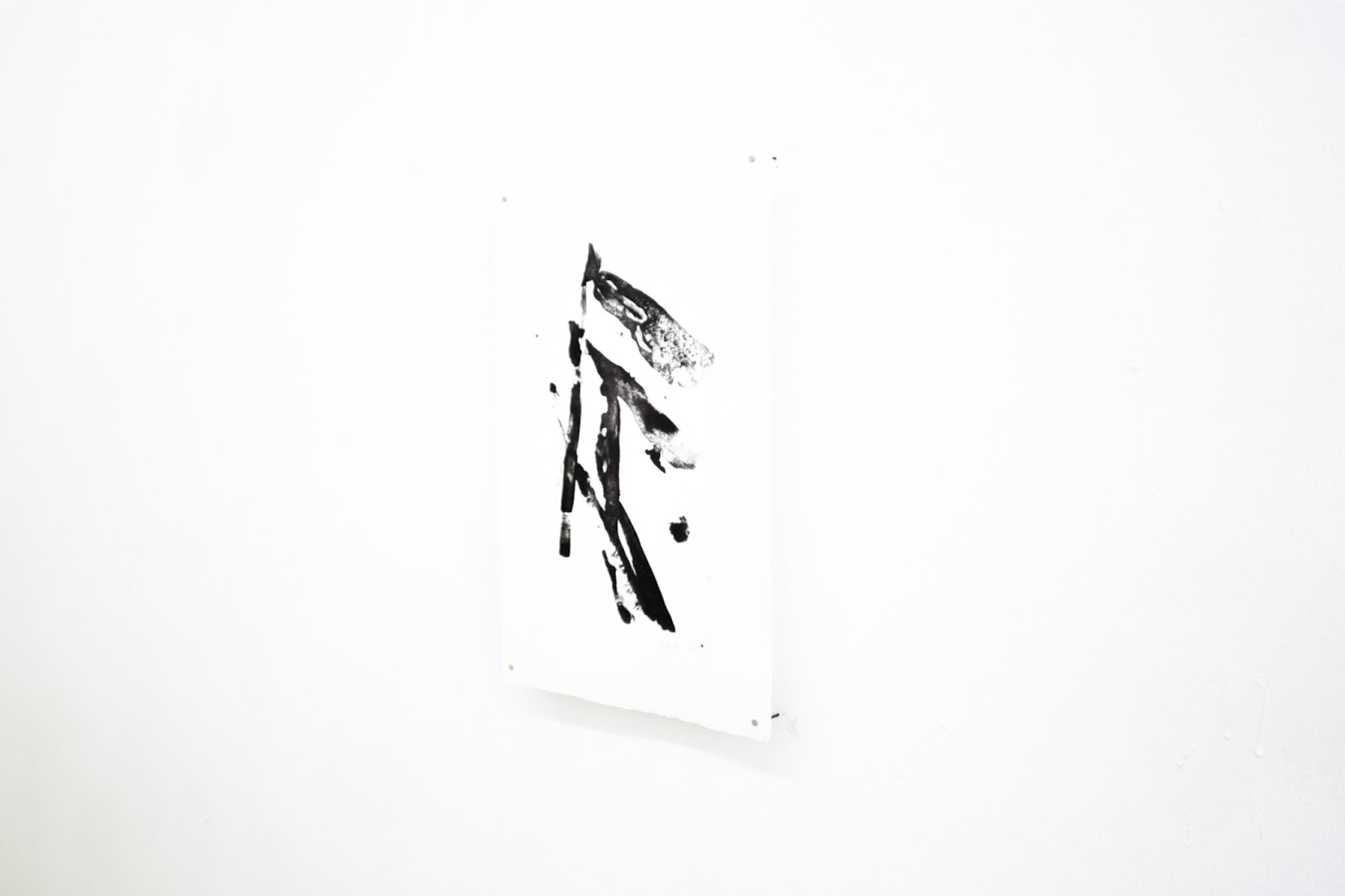
Untitled, 2024
This lithograph is based on an earlier watercolor work. The focus is on the physical confrontation with the stone – through drawing, grinding and reworking. Earlier motifs were largely removed, but are still recognizable in traces and remain present in the picture as part of the creation process.
Luftalarm (Air Raid Alert)
If the history of war is often told through images of destruction, how does the softness of wool change our understanding of conflict?
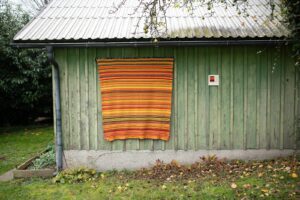
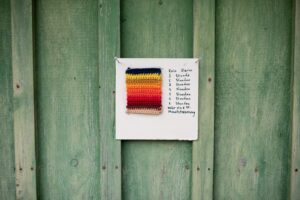
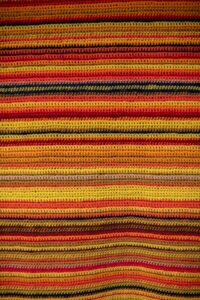
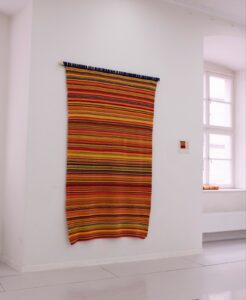
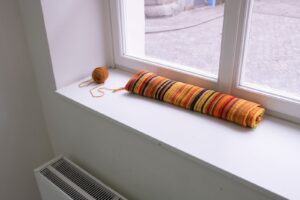
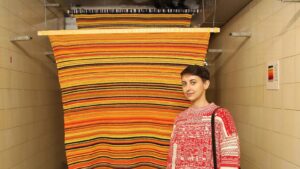
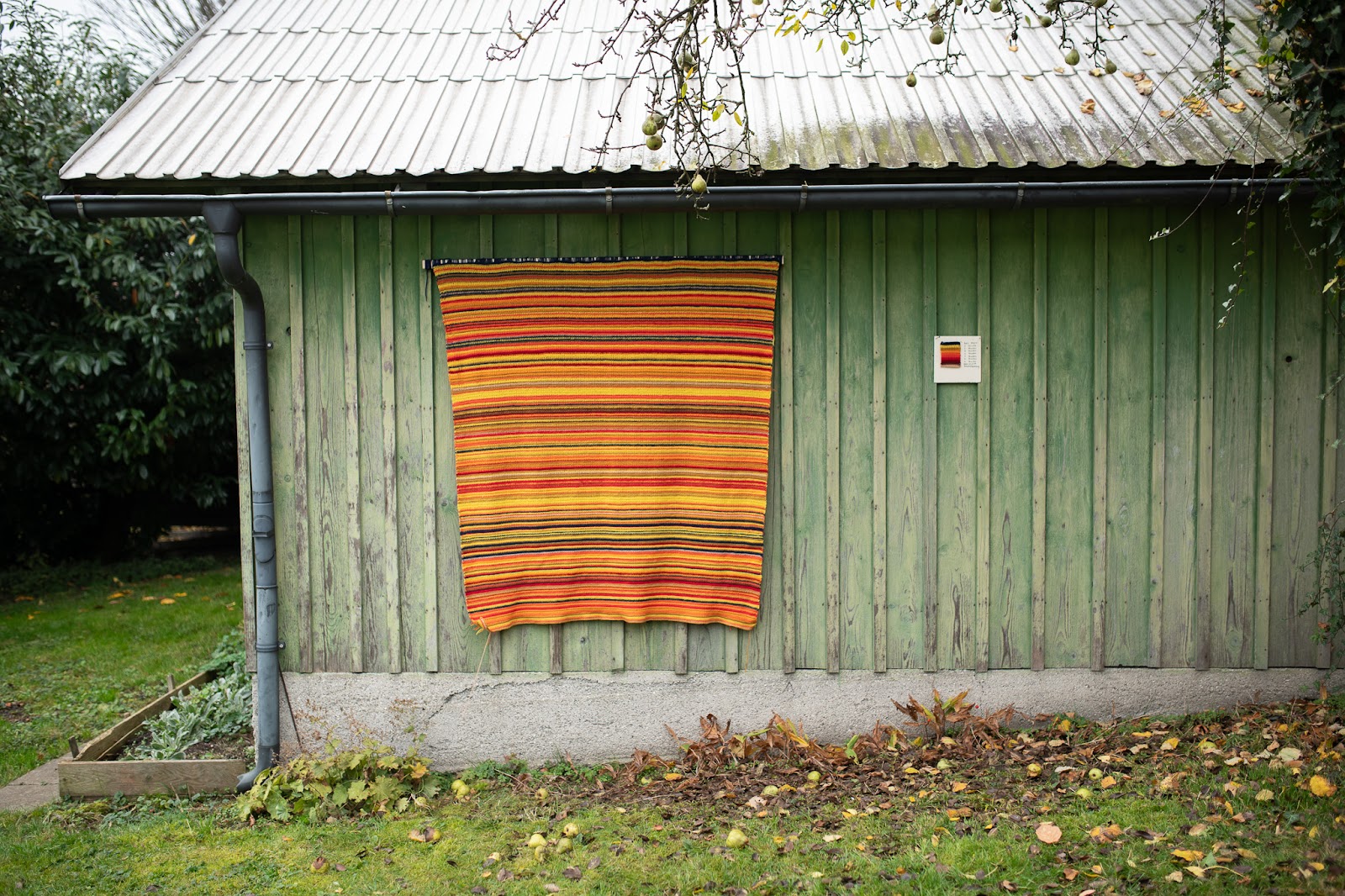
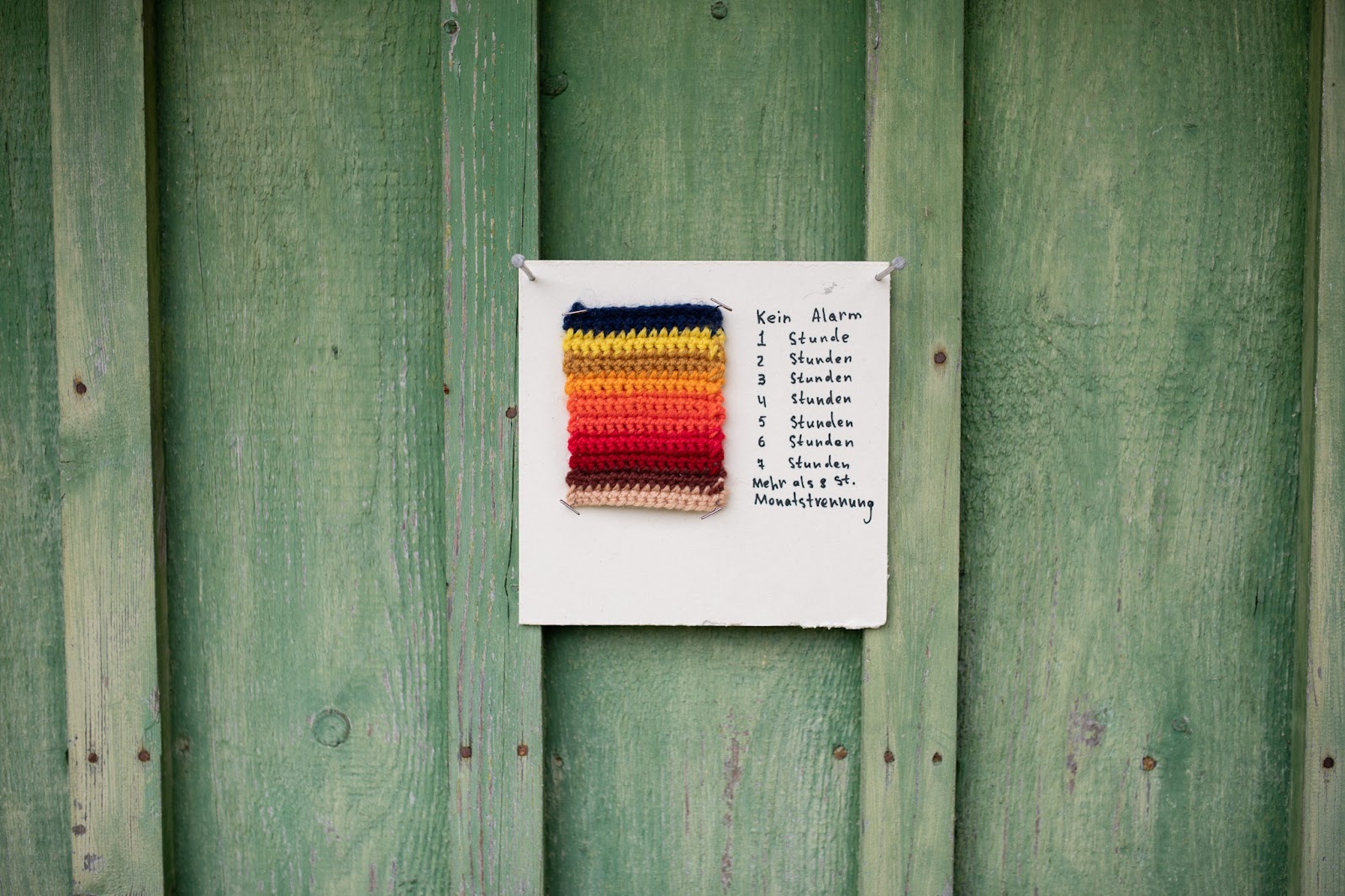
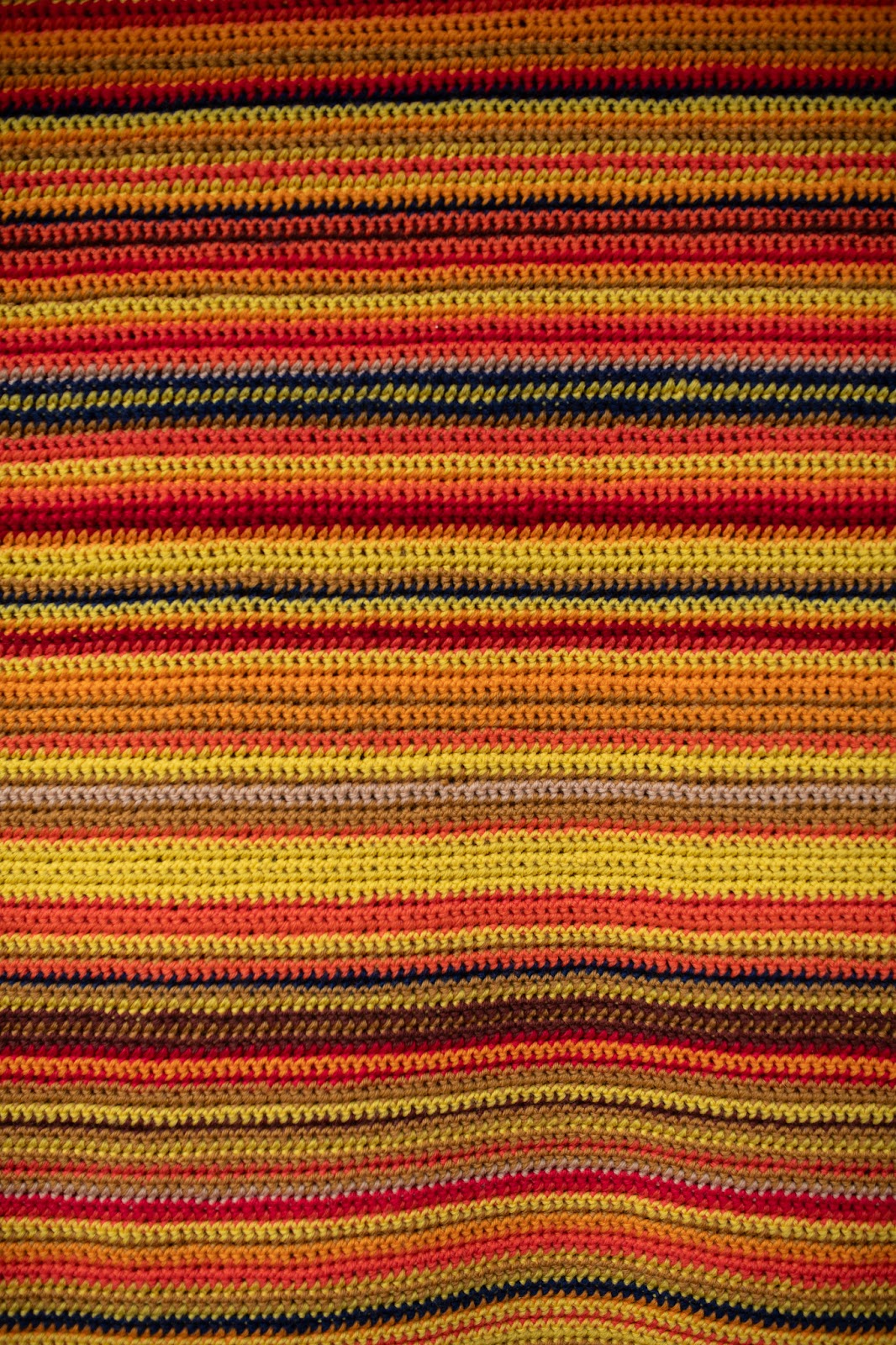
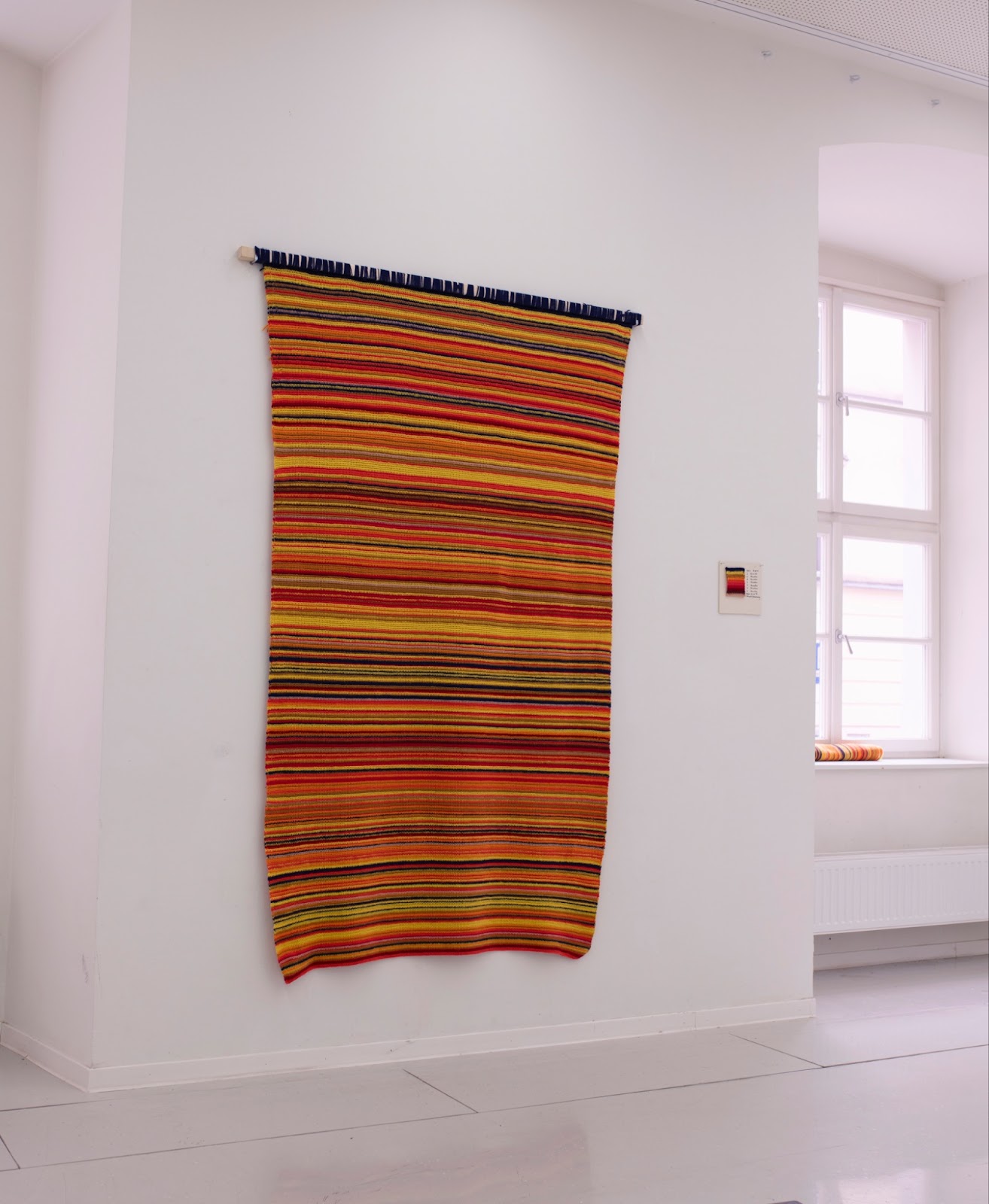
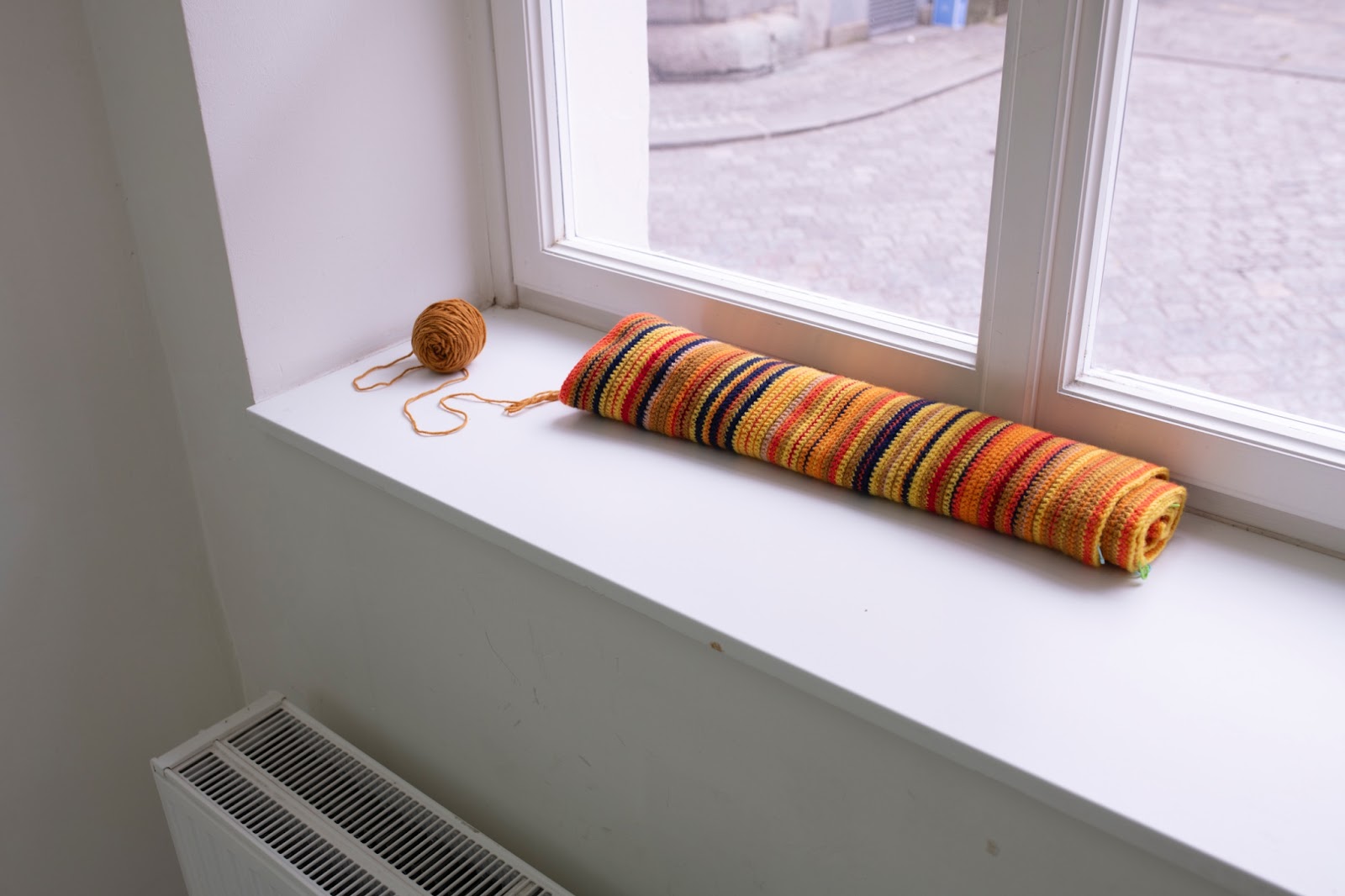
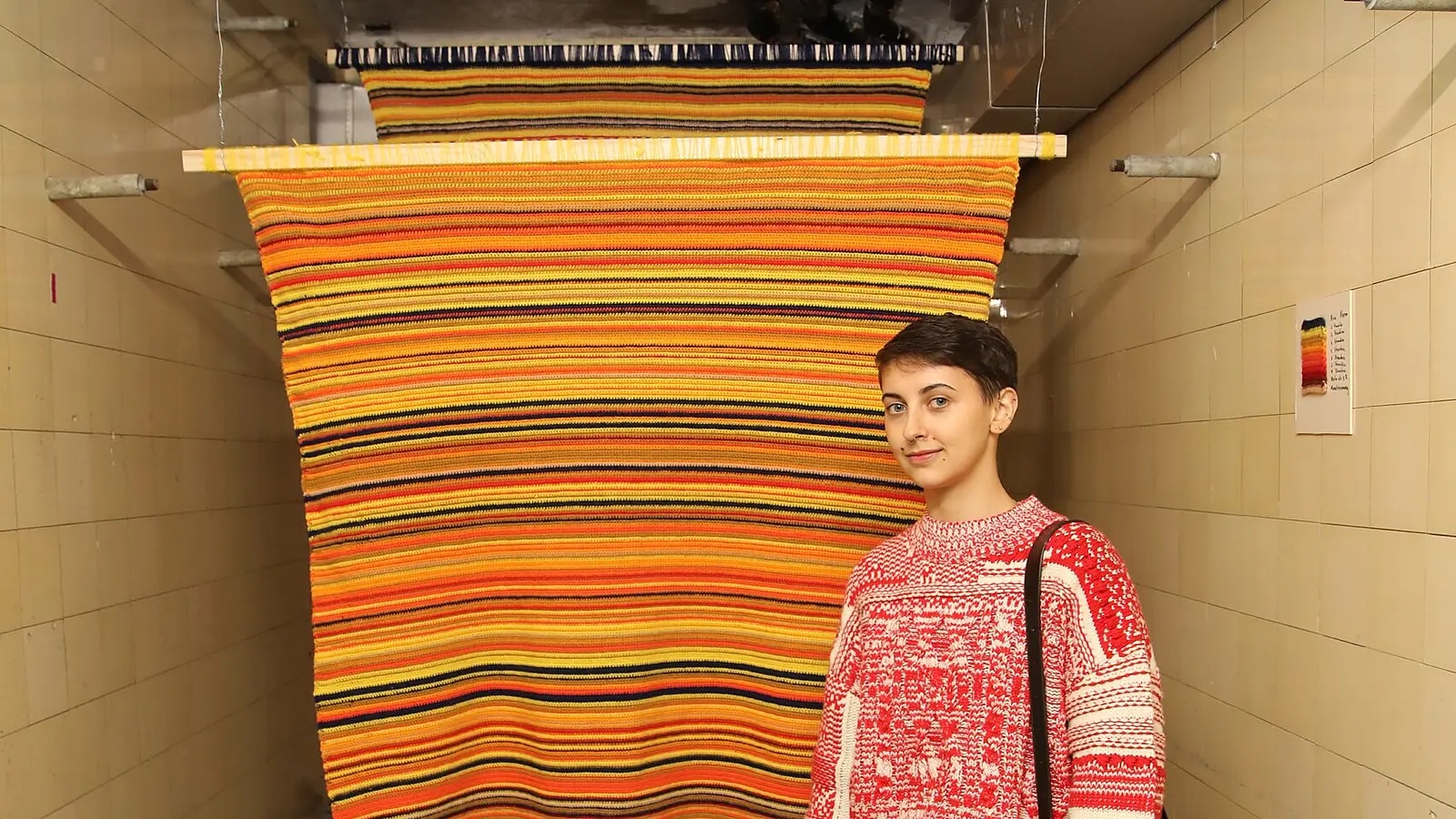
Air Raid is an ongoing, self-crocheted series that visualizes the frequency and duration of air raid sirens in the Odesa region since 2024. The first blanket is a textile ‘annual calendar’ that starts on 12 February 2024 — the day I first heard an air raid siren — and ends on 13 February 2025. The second blanket starts on 14 February 2025 and ends on 14 February 2026.
Beige-colored rows mark the transitions between months. Crochet, a technique often considered a supposedly feminine craft, serves in this project as a means of resistance and archiving. While traditional images of war can seem cold and distant, the blanket embodies the emotional burden of living under constant threat. Each stitch documents not only the facts of war, but also its psychological consequences—the ongoing tension and daily repetition of fear, like the war itself. This slow, repetitive process of crocheting reflects the endurance required to survive and offers a powerful alternative to conventional war documentation.
The data comes from the website air-alarms.in.ua, which tracks air raid alerts in real time.
The project will continue until the sky is completely blue again — a conscious act as long as the threat persists.
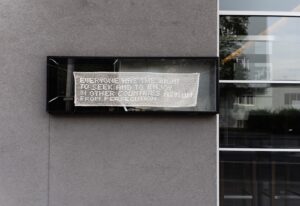
14.1 UDHR, Nietzschestraße 62
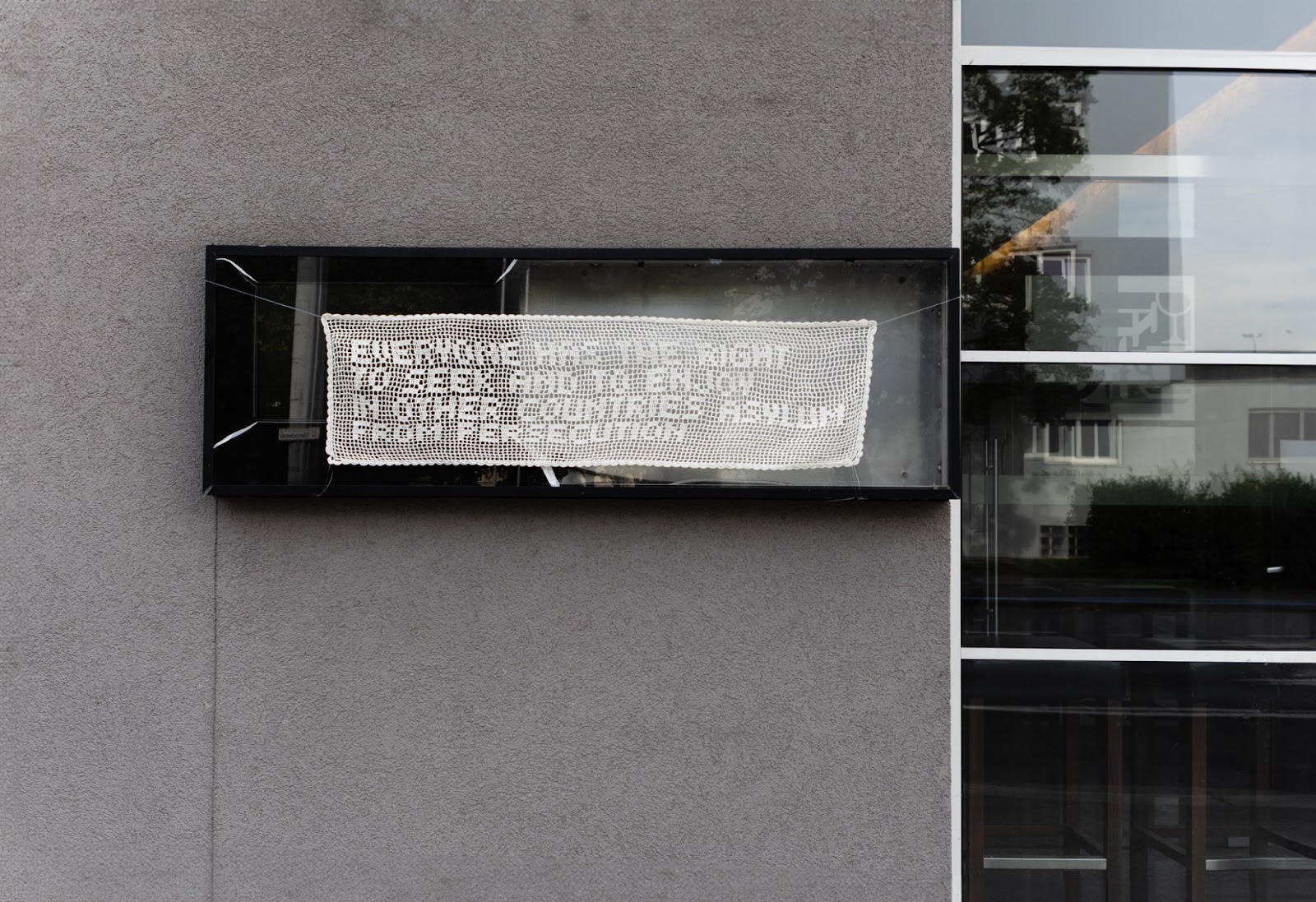
This textile banner was created as part of the seminar “Regimes of Visibility and Emergence around European Border Deaths” led by Zuzanna Dziuban. While discussing the seminar readings, I realized how much fundamental human rights—which should actually be universal—depend on origin and status in practice.
This is particularly evident in European border policy and the measures taken by authorities operating at the EU’s external borders.
The banner is a visual representation of the border between the EU and non-EU countries, with the EU’s external borders marked by a solid line and the non-EU countries by a dotted line. This is particularly evident in European border policy
and the measures taken by the authorities operating at the EU’s external borders.
I chose filet crochet, a traditional craft commonly used to make tablecloths and curtains, to convey the idea that fundamental rights should be as commonplace and widespread as these household textiles. At the same time, filet crochet has been used in the past for prayers and patriotic war banners, thus moving between intimacy and politics.
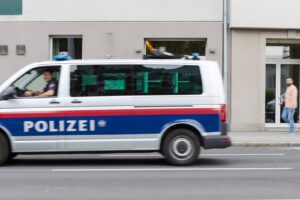
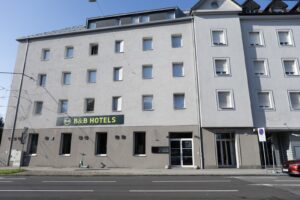
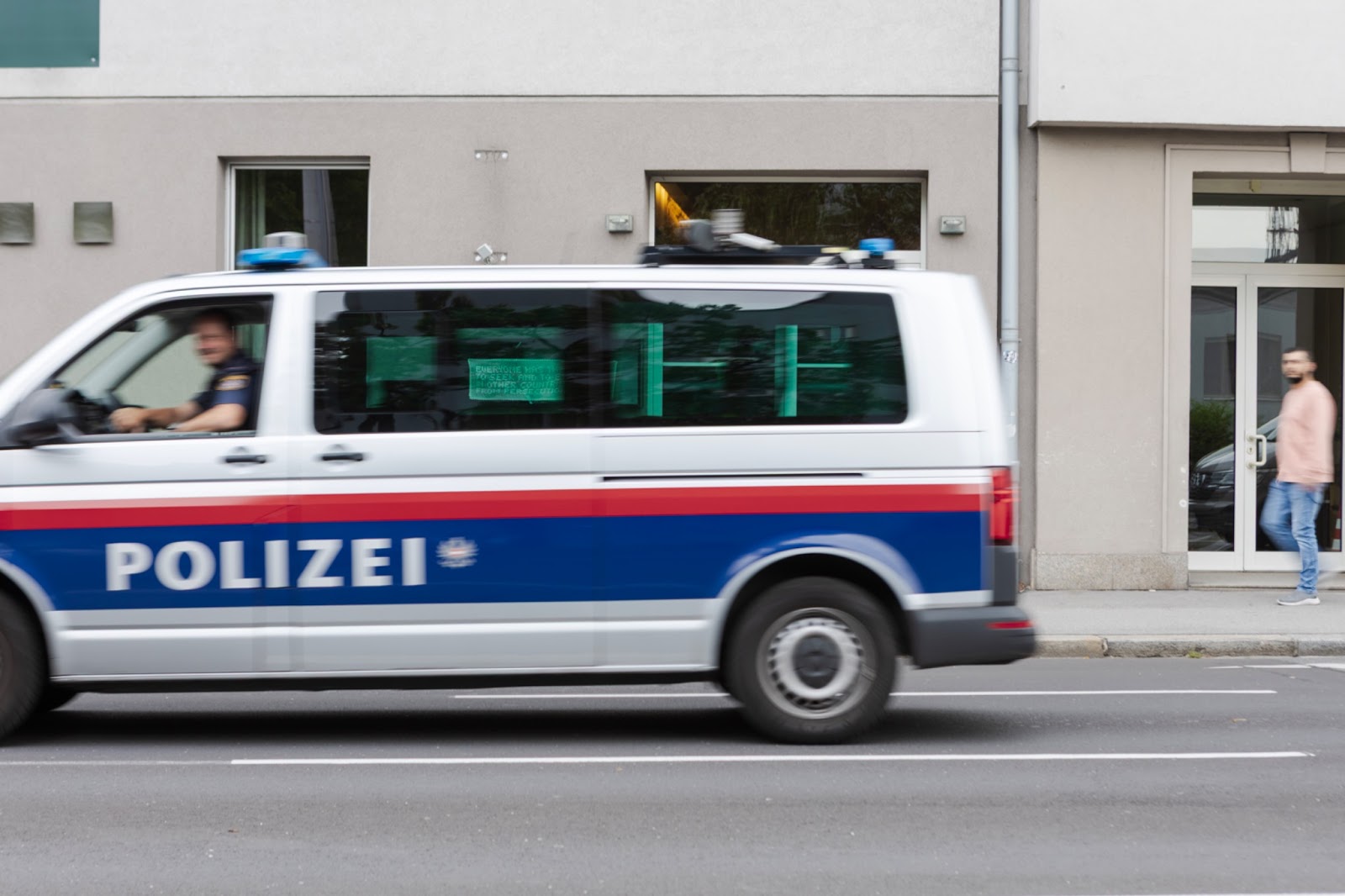
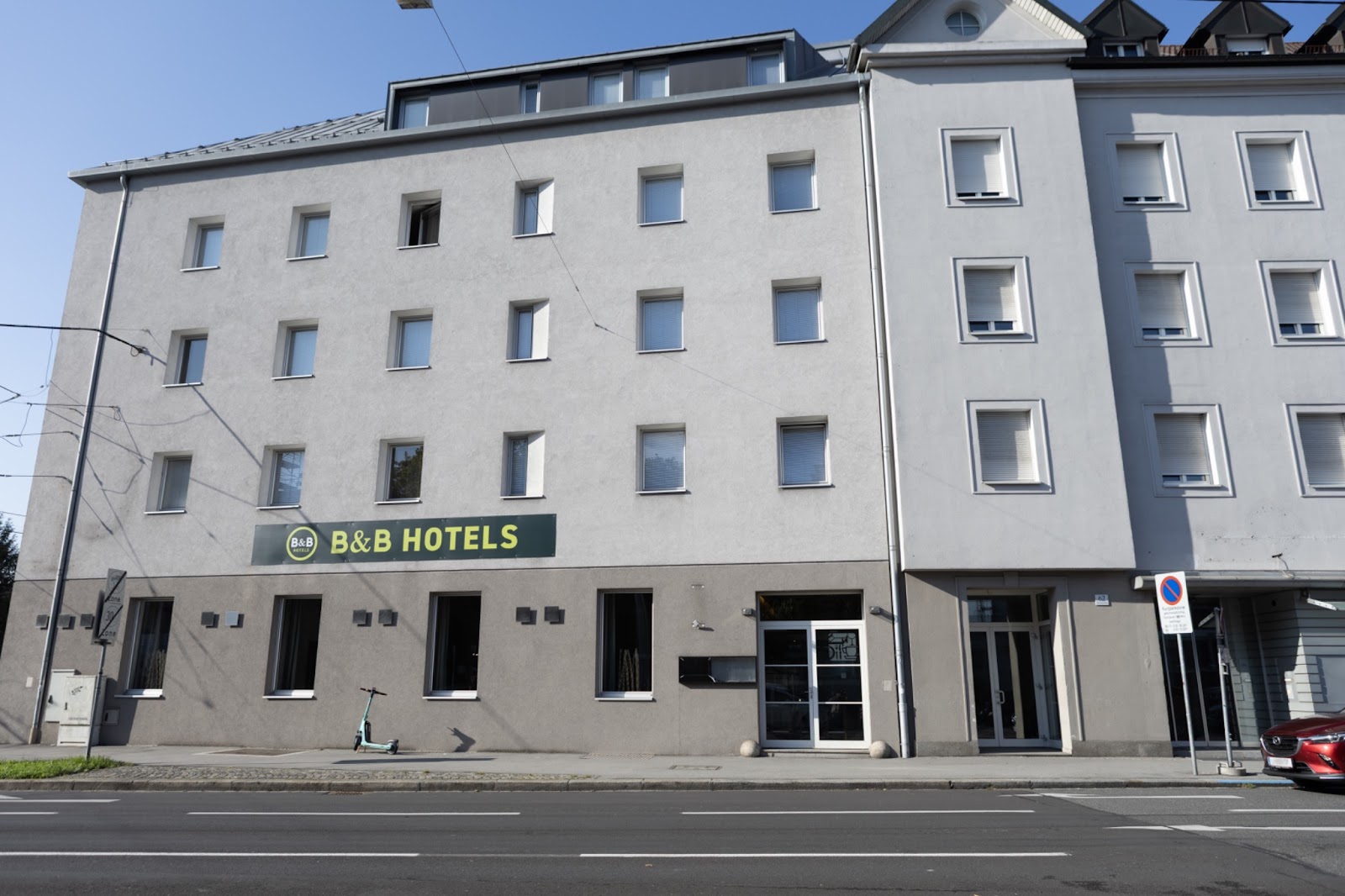
The banner was temporarily displayed on the façade of the B&B Hotel (Nietzschestraße 62) in Linz, which is located in the immediate vicinity of the Federal Office for Immigration and Asylum (Derfflingerstraße 1) and the police detention center (Nietzschestraße 33). This spatial position between detention and asylum administration highlights the contrast between the universal promise of Article 14.1 of the Universal Declaration of Human Rights and its fragile reality. By omitting the restrictive second paragraph of the article, the work points out how legal exceptions often obscure systemic practices of exclusion and disenfranchisement.